

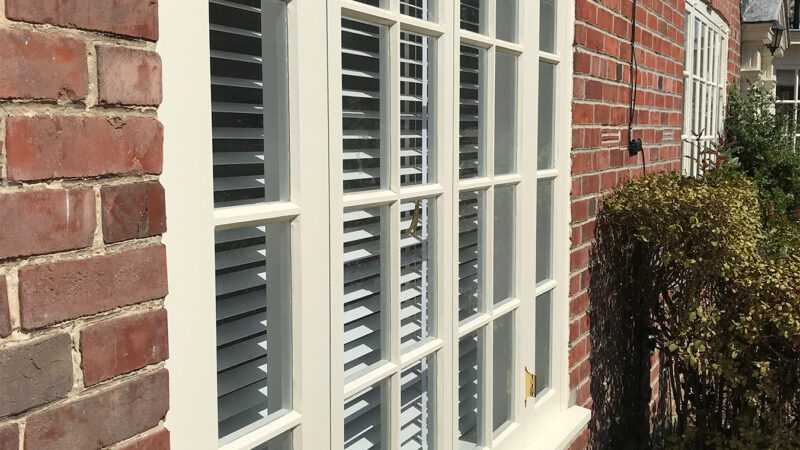


Vacuum Insulated Glass, often referred to as VIG, consists of two panes of glass separated by a vacuum cavity. The absence of air between the panes significantly reduces heat transfer, helping to improve overall energy efficiency.
Because the cavity is extremely thin, Vacuum Insulated Glass panels can achieve excellent U values without the thickness associated with traditional double glazing. This makes them well suited to timber frames where maintaining original proportions is essential.
Benefits of Vacuum Insulated Glass
Understanding the benefits of vacuum insulated glass helps when selecting glazing for heritage and performance focused projects. These are just a few of the benefits of using vacuum insulated glazing panels:
- Vacuum Insulated Glass can achieve very low U-values, helping to reduce heat loss and improve internal comfort.
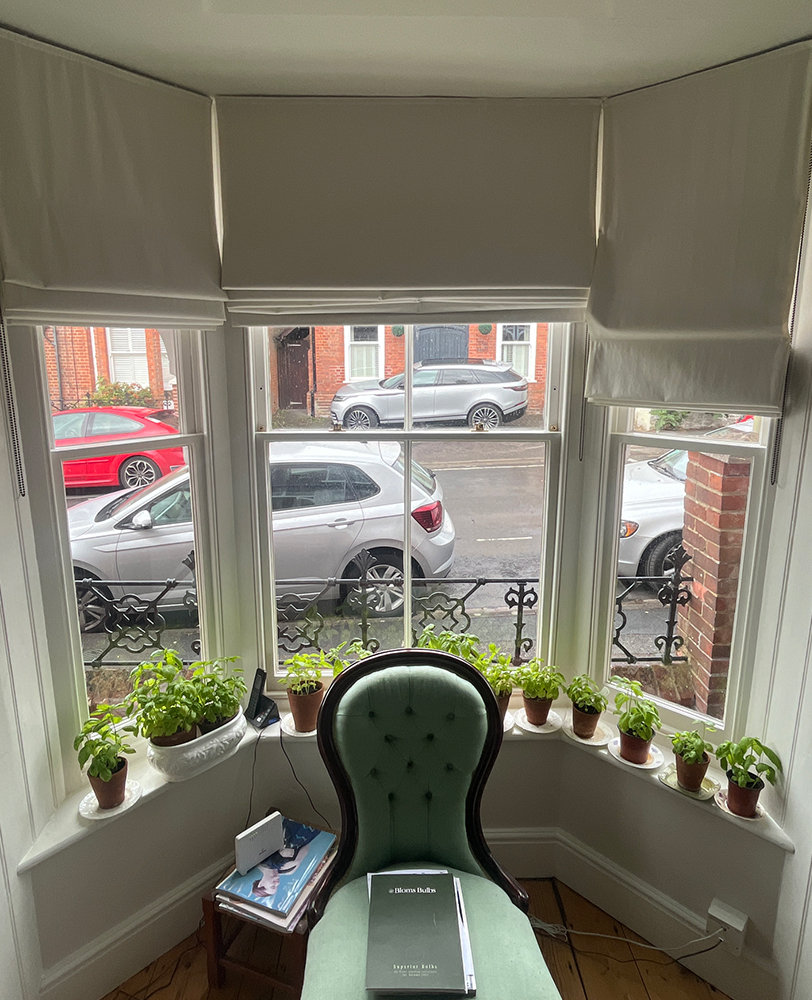
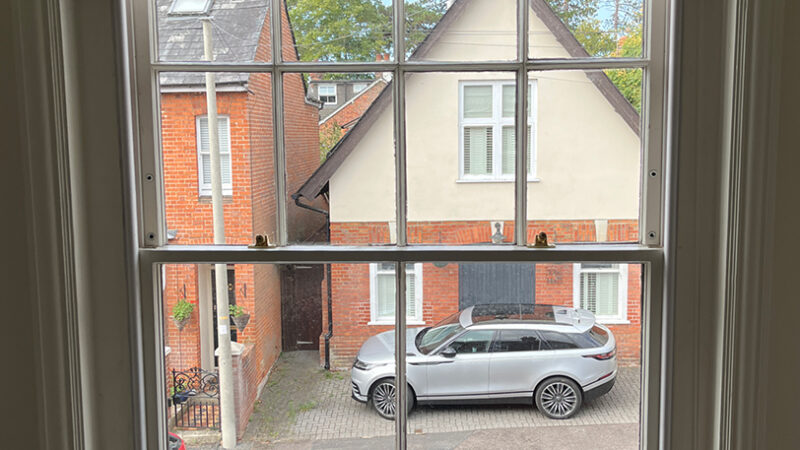
- The narrow construction allows Vacuum Insulated Glass windows to retain traditional glazing bar details and putty finishes.
- The vacuum layer helps reduce external noise transmission, supporting a quieter interior environment.
- The slim build and discreet appearance make Vacuum Insulated Glass appropriate for conservation areas and heritage properties where planning considerations apply.
- Enhanced thermal performance can lower the likelihood of internal condensation forming on the glass surface.